
Strengthening Disability Inclusive Health Services in The Gambia
In a significant step towards promoting inclusive health and social services, the Network Against Gender-Based Violence (NGBV) with support from UNFPA, organized a comprehensive three-day Disability-Inclusive Health Training 18th – 20th November 2025. This initiative aimed to strengthen the capacity of frontline service providers including social workers, health professionals, and representatives from the Disability unit- Directorate of Social Welfare to deliver equitable, rights-based services to persons with disabilities across The Gambia.
The training sessions provided a deep dive into disability as both a health condition and a societal challenge. Participants explored national and international legal frameworks that protect the rights of persons with disabilities, emphasizing inclusive communication, integrated care approaches, and survivor-centered strategies. A key focus was on ensuring that all individuals, regardless of their physical or mental abilities, have access to essential health, sexual and reproductive health (SRH), and gender-based violence (GBV) services.
A poignant highlight was a testimonial from a woman with a physical disability, who shared her journey of overcoming discrimination and navigating a world not built for her mobility. Her story underscored the resilience of persons with disabilities and served as a powerful reminder of the importance of dignity, respect, and inclusivity in service delivery.
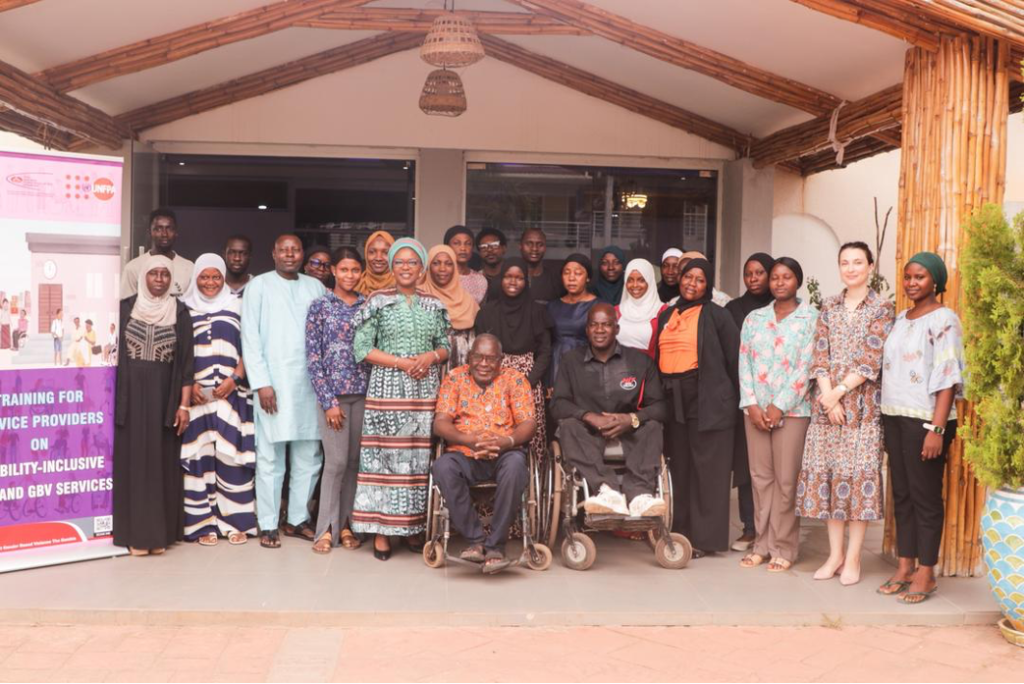
The training shed light on persistent challenges that hinder disability-inclusive services. These include communication barriers due to a lack of sign language interpreters, widespread stigma and misconceptions, and systemic gaps such as insufficient accessibility tools and resources within health and social facilities. Additionally, inconsistent responses from law enforcement agencies often delay or obstruct cases related to SGBV involving persons with disabilities. Transportation constraints, especially for wheelchair users, further complicate access to services and participation in training activities.
Despite these challenges, the participants identified opportunities for improvement. There is a clear willingness among service providers to adopt inclusive practices when equipped with practical guidance, accessible tools, and well-defined referral pathways. The importance of multi sectoral collaboration linking health, social services, justice institutions, and OPDs was emphasized as vital for providing comprehensive support to persons with disabilities.
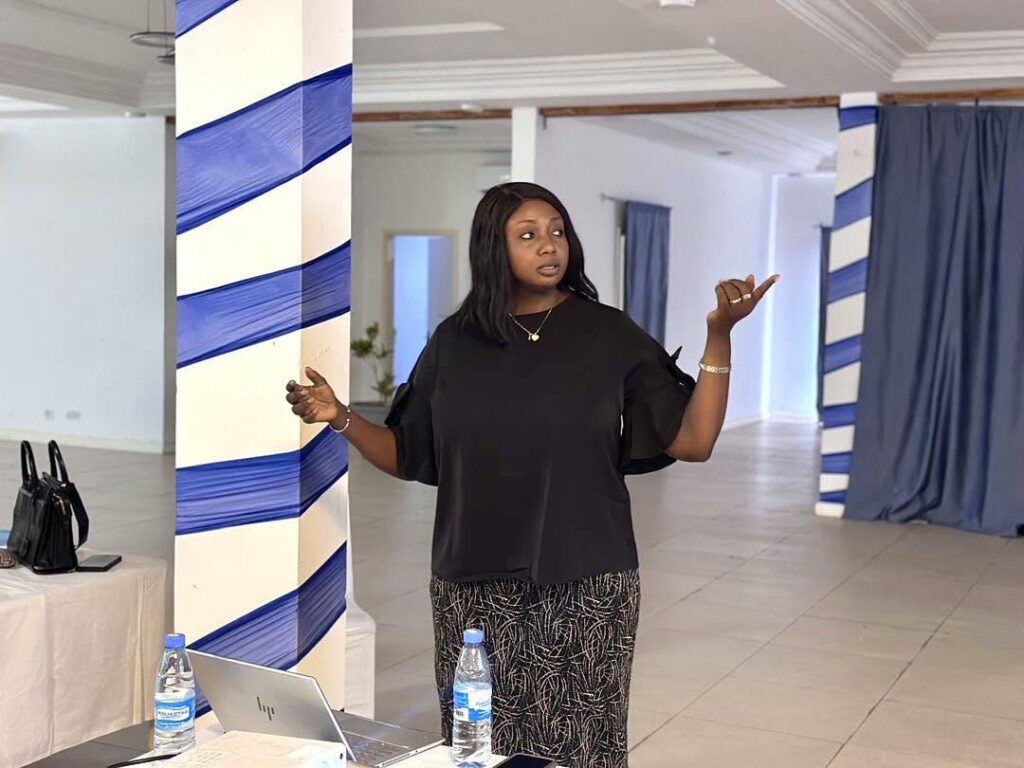
the event underscored the potential for positive change. The collective commitment of service providers, OPDs, and stakeholders demonstrates a shared dedication to creating a more inclusive and equitable health system in The Gambia. Continued capacity-building, stronger multi sectoral collaborations, and the adoption of accessible infrastructure are essential steps forward.
As The Gambia advances its journey towards disability inclusion, these lessons and practices serve as a foundation for building a society that respects, values, and empowers all its members. Together, we can ensure that no one is left behind in accessing the services they deserve.