
Network Against Gender-Based Violence Sign Language Training to Improve Service Delivery for GBV Survivors.
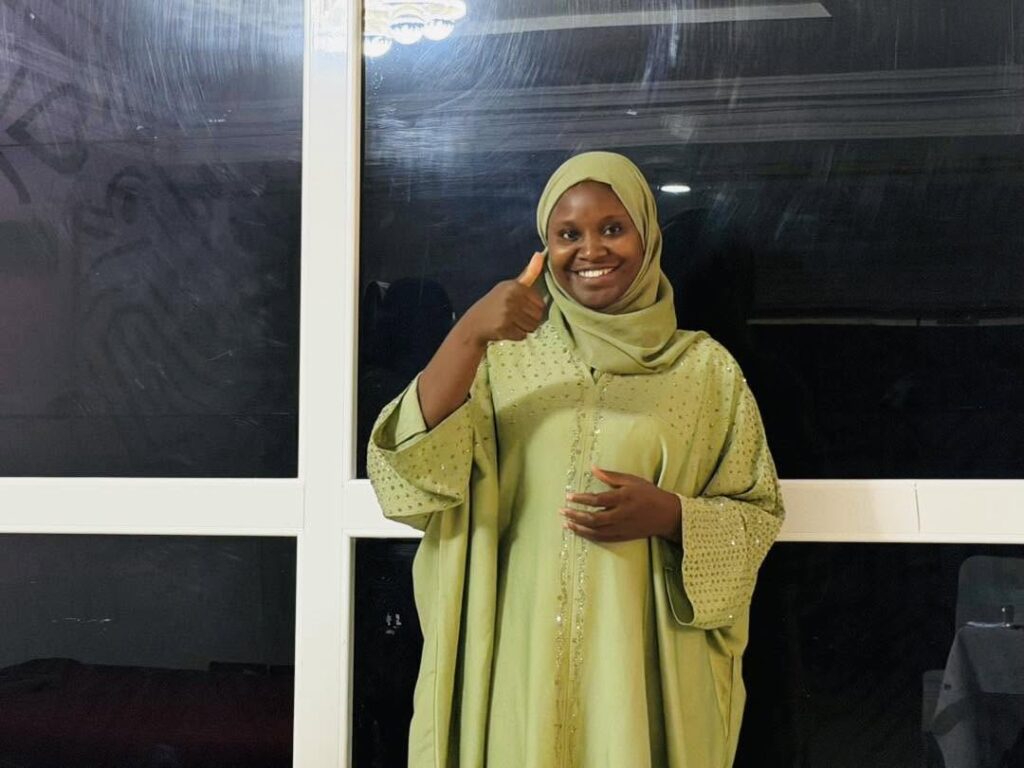
In a significant step towards fostering inclusive and accessible services, the Network Against Gender-Based Violence (NGBV), with support from UNFPA, organized a three-day training on Gambian Sign Language (GSL) on 21st – 23rd November 2025. The training aimed to equip social workers, health personnel, and representatives from the disability unit and the Directorate of Social Welfare with essential communication skills to better serve deaf and hard-of-hearing persons across The Gambia.
This initiative responds to the urgent need for accessible communication within health, social protection, and GBV response services. Many service providers currently lack the skills to communicate directly with survivors who rely on sign language, often resulting in communication gaps that hinder effective support. Relying on third-party interpreters can also pose challenges related to confidentiality and survivor-centered care.
Facilitated by two expert trainers from the Gambia Association of the Deaf and Hard-of-Hearing (GADHOH), the training provided participants with foundational knowledge of Gambian Sign Language. The goal was to bridge existing communication gaps and foster a deeper understanding of the cultural and linguistic tones of the deaf and hard-of-hearing community in The Gambia.
Over the three days, participants engaged in a variety of learning activities, including presentations, practical demonstrations, peer learning, and interactive role-plays. They learned the GSL alphabet, practiced fingerspelling using their own names and those of their peers, and mastered basic greetings, introductions, and numerical signs ranging from single digits to millions. Confidence-building exercises encouraged participants to practice their new skills in a supportive environment

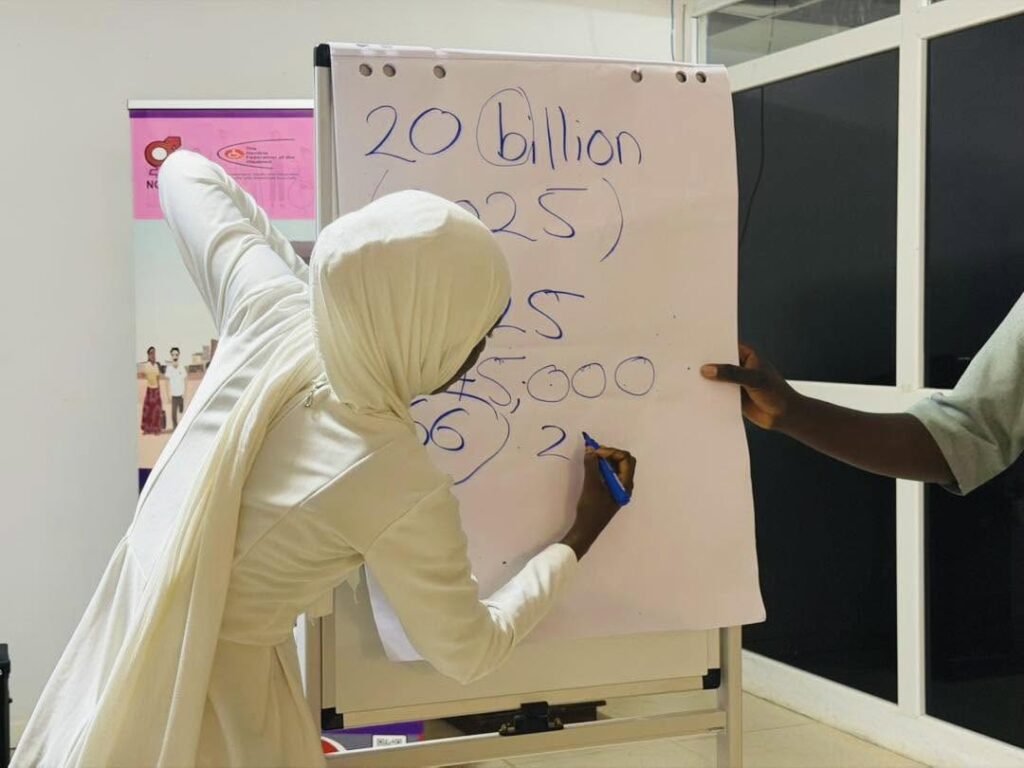
For many, this training marked a turning point. Before participating, engaging with deaf and hard-of hearing survivors was often challenging, complicating service delivery at health centers and one-stop centers. Now, equipped with new sign language skills, social workers and health personnel feel more confident and better prepared to respond effectively in crisis situations.
Landing O. Jarju, a registered nurse midwife at Fajikunda Health Centre, expressed his enthusiasm: “This training has been a game-changer for me. Now, I can identify GBV cases more effectively, link survivors to the right support systems, and raise awareness in my community. I am better equipped to communicate with persons with disabilities, helping them express their needs and exercise their rights.”
Similarly, Jainaba Bah, a dedicated social worker at the Brufut Health Center, said: “This training will enable easy communication and reduce exclusion. It’s a vital step toward making our services more accessible to everyone.”
The training not only enhances the capacity of frontline workers but also underscores the importance of inclusive communication in upholding the rights, dignity, and well-being of persons with disabilities. As NGBV advances its efforts to promote equality and accessible services, continuous training and awareness-raising remain essential to ensuring that no survivor is left unheard or unsupported due to communication challenges.