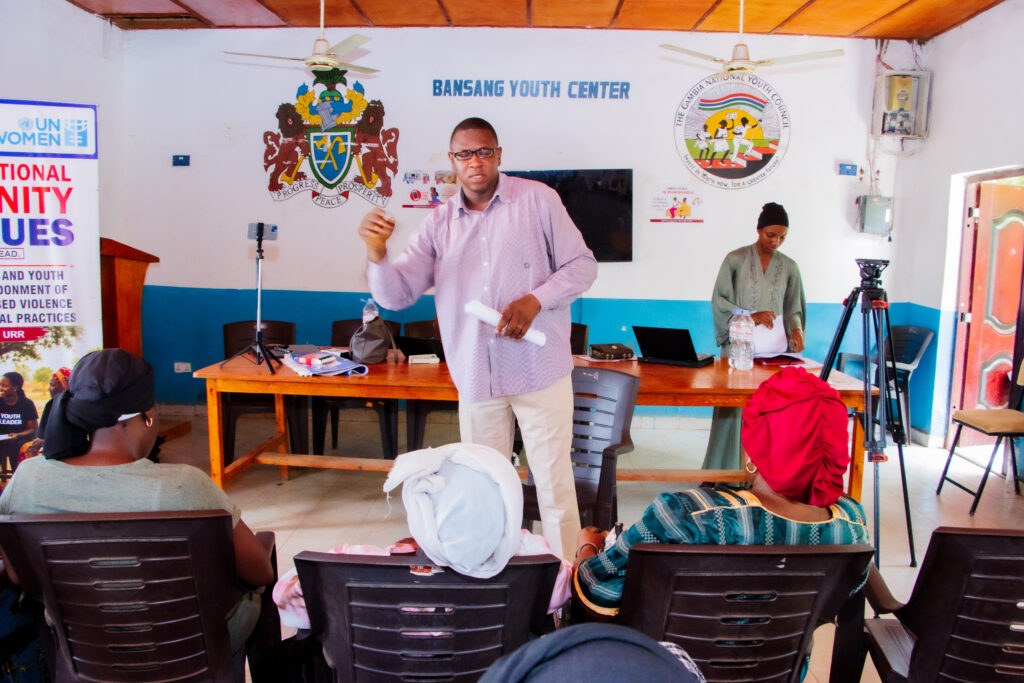
Intergenerational Community Dialogues: Engaging Community and Youth Leaders for the Abandonment of Harmful Traditional Practices in Gambian Communities

In a significant step towards ending harmful traditional practices such as Female Genital Mutilation (FGM), child marriage, and gender-based violence (GBV), the Network against Gender-Based Violence (NGBV), with support from UN Women through the Ford Foundation, has successfully facilitated intergenerational community dialogues across The Gambia’s Upper River, Central River, and Lower River Regions.
The three-day series of one-day community engagements brought together a diverse group of 120 participants, including community elders, religious leaders, women and youth representatives, adolescents, and traditional authorities. The initiative aimed to create a safe space for open, respectful discussions on issues often considered taboo, fostering mutual understanding and collective responsibility for social change.
Facilitators encouraged participants to share their perceptions, experiences, and concerns regarding SGBV, FGM, and child marriage. The dialogues revealed that while many community members recognize the harmful effects of these practices, deep-rooted cultural beliefs, misinformation, and social pressures continue to sustain them. Notably, misconceptions linking FGM to religious obligations and the belief that child marriage protects girls from immoral behavior were frequently discussed.
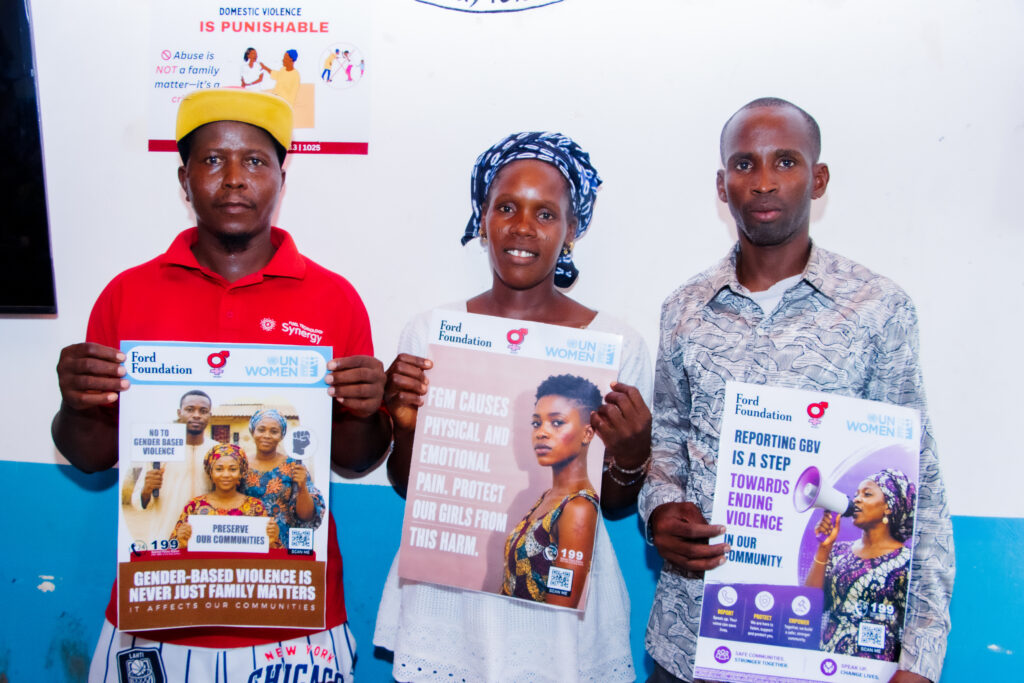
Health professionals provided vital insights into the physical and psychological consequences of FGM and early pregnancies, emphasizing that these practices threaten the wellbeing and rights of women and girls. Legal experts clarified that existing laws explicitly prohibit FGM and child marriage, underscoring the importance of community reporting mechanisms over informal settlements that often prioritize reputation over justice.
One of the most impactful aspects of the dialogues was the engagement between elders and young people. Participants reflected on the historical roots of harmful practices and the aspirations of the younger generation for safer, healthier communities. Religious leaders, including Imams, initially cautious, expressed appreciation for the evidence-based discussions and committed to incorporating these lessons into their teachings.
Participants also discussed the role of poverty, migration, and digital technology in shaping social norms and influencing youth behavior. Emphasizing positive parenting and open communication, community members proposed practical actions such as increased sensitization, collaboration with religious and traditional leaders, and community-led advocacy.
The dialogues concluded with a pledge-signing ceremony, where 70 of the 120 participants publicly committed to advocating for the abandonment of SGBV, FGM, and child marriage in their communities. This collective commitment signifies a promising move towards sustainable change driven by community ownership.
“FGM is a harmful practice that must be banned. It causes irreversible physical and emotional trauma, often performed on infants as young as two months old or even within their first week. Such actions remove vital parts of a child’s body, leaving lasting scars and suffering. Every child deserves to grow up healthy, safe, and whole FGM denies them that right”.
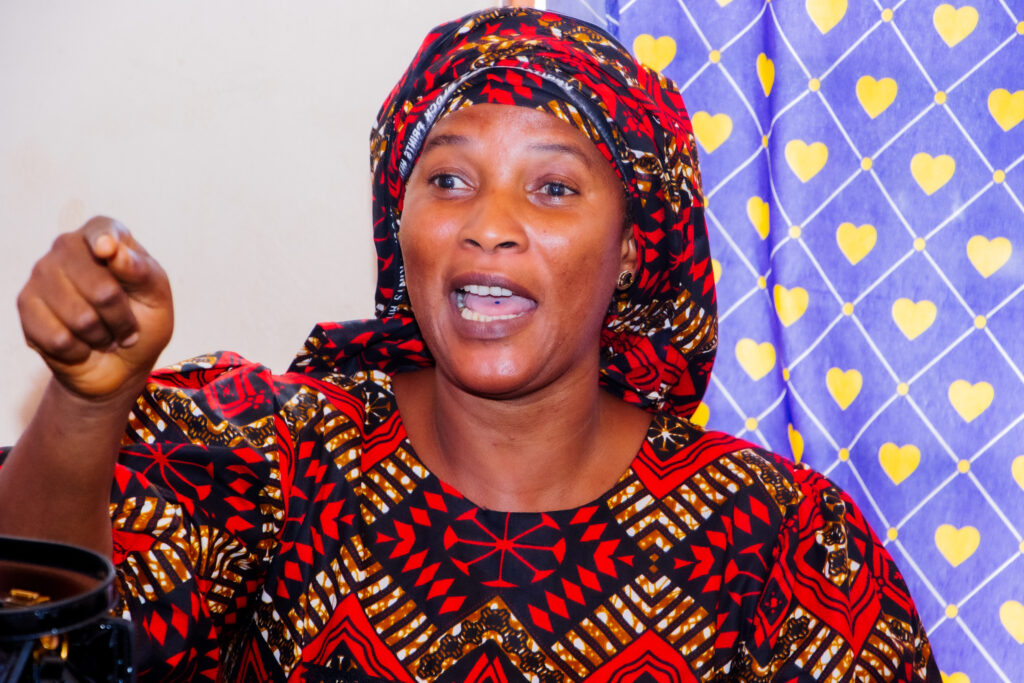
One participant shared, “Today’s session was exceptionally engaging. Everyone understood the importance of ending these harmful practices and is now committed to creating safer communities.”
Another emphasized, “We have a shared responsibility: if we see someone taking a child for FGM or marriage, we must report it. Our collective health depends on it.”
The success of these community dialogues underscores the importance of respectful, evidence-based conversations in transforming social norms. With continued community engagement, legal enforcement, and support from development partners, The Gambia is making strides toward protecting the rights, health, and dignity of women and girls.
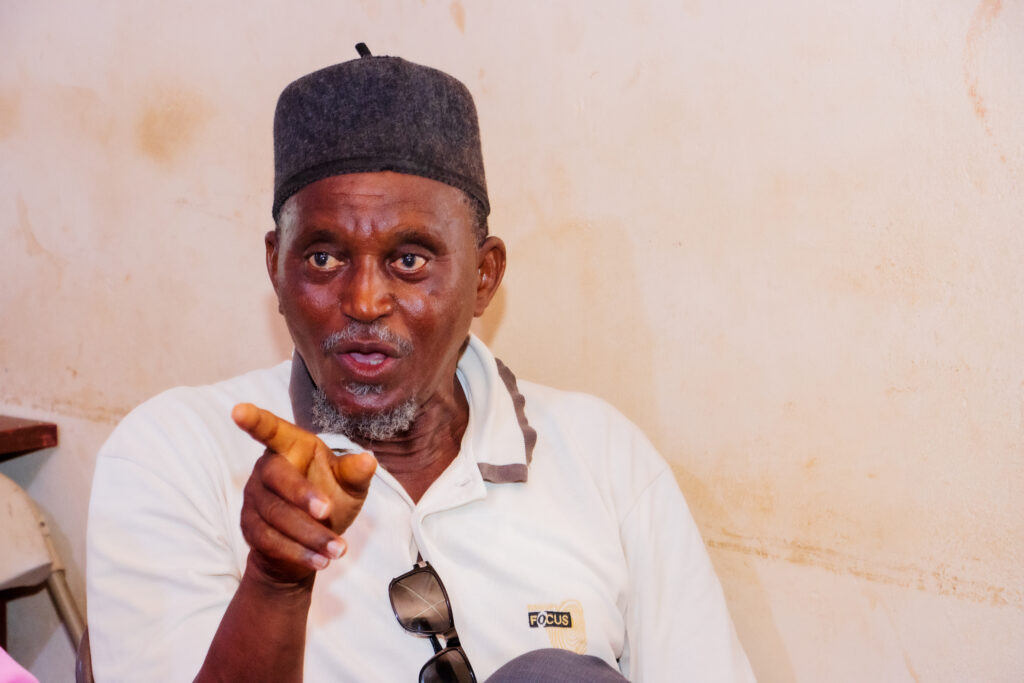
As one community elder noted, “Change begins with understanding and respect. Together, we can build a future free from harmful practices.”
The community dialogues are part of a broader effort by the Network against Gender-Based Violence, supported by UN Women through the Ford Foundation, to foster community-led solutions and promote gender equality across The Gambia.