Dialogue with Male Household Heads and Young Men as Allies for Gender Equity, Elimination of Harmful Traditional Practices and Sexual and Gender-Based Violence in Gambian Communities
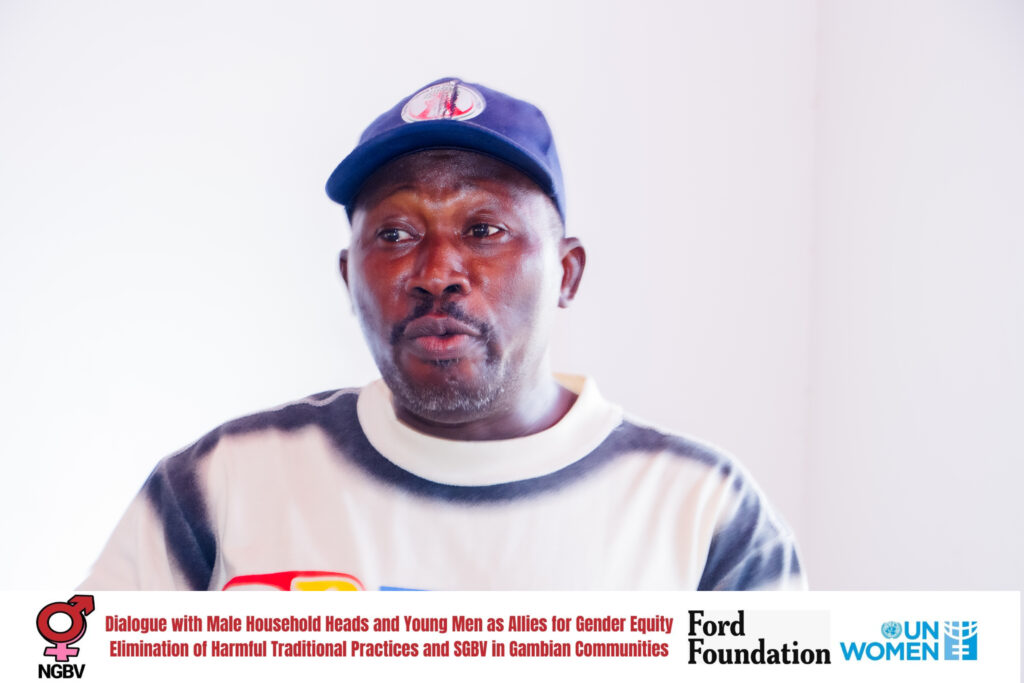
When I listened to the dialogue and the health experts, I realized the effects of FGM and Child Marriage on girls, and I believe it will benefit me tomorrow not to take my child to FGM,
Muhammed Touray a community leader.
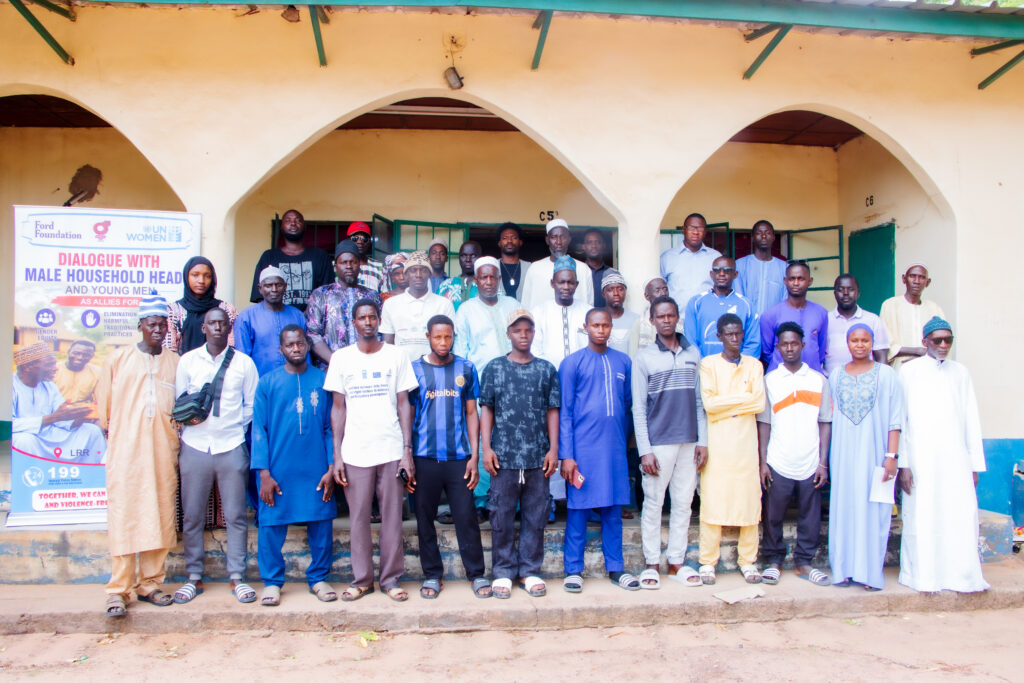
In a significant step toward ending harmful traditional practices, community dialogues held across the Upper River Region (URR), Central River Region (CRR), and Lower River Region (LRR) have united men, boys, religious leaders, and elders to confront issues like Female Genital Mutilation (FGM), Child Marriage, and Sexual and Gender-Based Violence (SGBV).
These engagements are part of ongoing efforts to challenge and transform social norms that negatively impact women and girls in Gambian communities. The three days dialogue, brought together a total of 90 participants comprising community influencers, religious leaders, and youth leaders who shared experiences, reflected on the consequences of harmful practices, and committed to advocating for change.
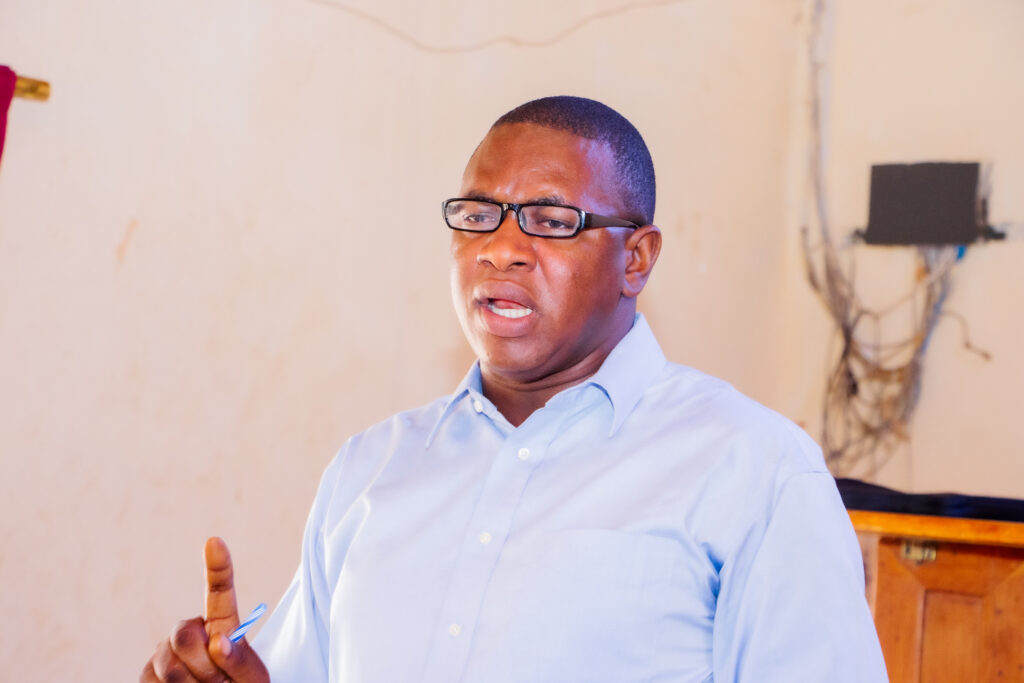
Participants acknowledged that men and boys are pivotal decision-makers within households and communities. Many expressed their newfound understanding of the health, social, and legal implications of practices like FGM and Child Marriage. Health experts provided evidence-based information, highlighting the physical and psychological toll these practices take on girls and women, prompting many to reconsider culturally accepted norms.
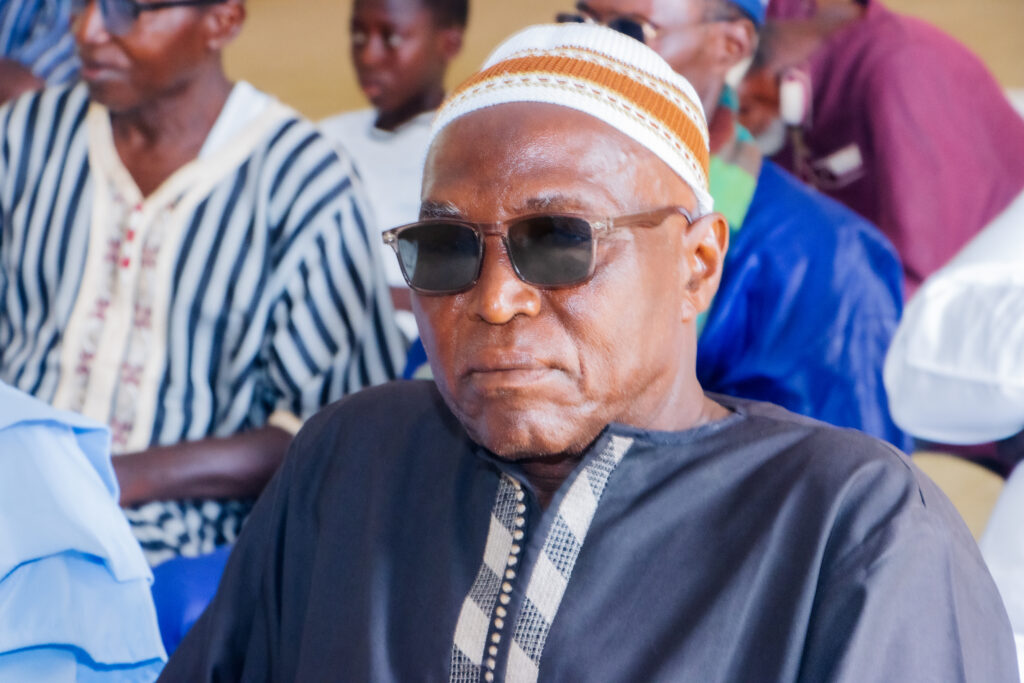
Religious leaders played a vital role, with some delivering messages during sermons that emphasized the importance of protecting children from early marriage and FGM. This community-led approach fostered an environment of trust and openness, encouraging sceptics to embrace new perspectives.
The dialogues culminated in a pledge-signing ceremony, where 49 participants committed to actively advocating against SGBV, FGM, and Child Marriage in their communities. One Participant man emphasized his resolve, saying, “By Allah’s grace I took this pledge that any child in my family under 18 years I will not give her hand in marriage” demonstrating a personal commitment to change.
This initiative demonstrates that community-driven conversations and awareness-raising can catalyze meaningful change. Moving forward, continued engagement with local leaders and sustained awareness campaigns are essential to eradicating harmful practices and fostering gender equality across Gambian communities.