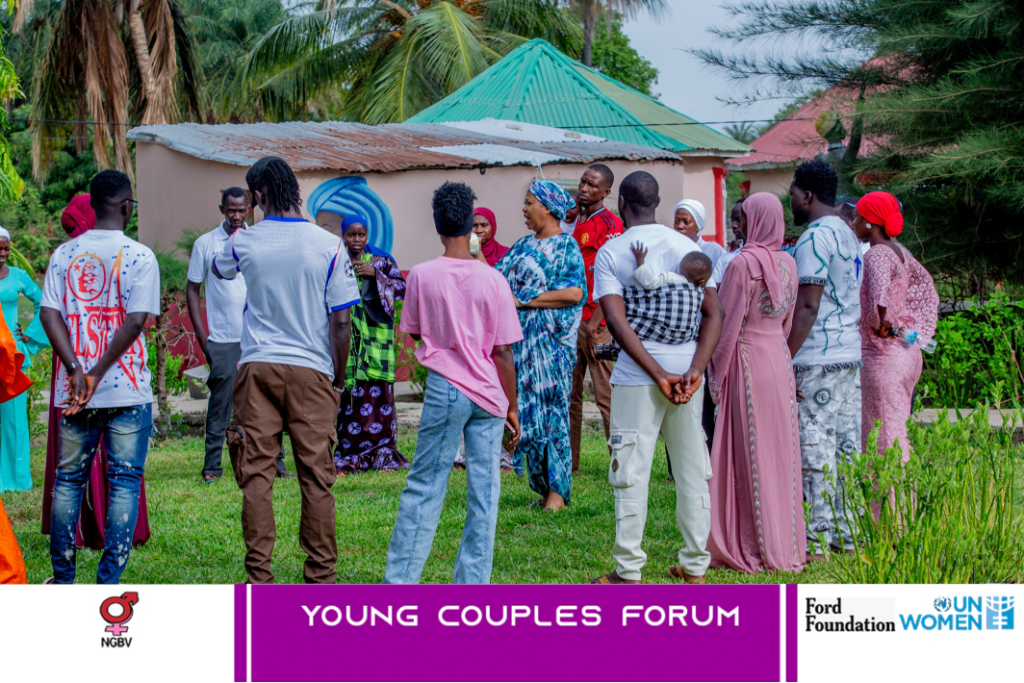
Empowering Young Gambian Couples to End Harmful Cultural Practices
“Gender based violence is not limited to physical harm. Any act that threatens dignity, safety, freedom, or wellbeing because of a person’s gender is a form of violence.”
Ms. Halimatou Jallow Jesuorobo
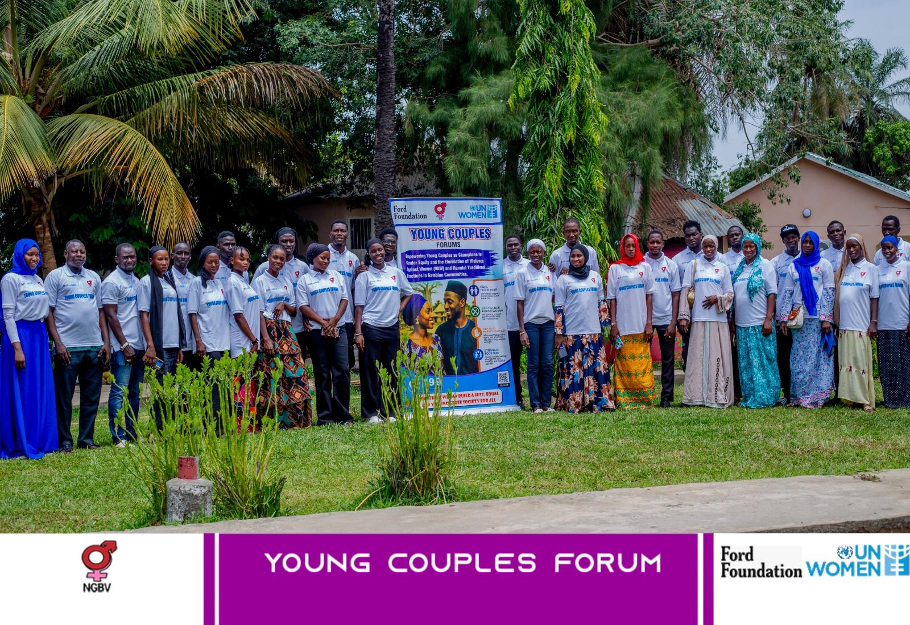
In a significant step towards combating gender-based violence and harmful cultural practices, a three-day residential forum held in Albreda brought together 30 young couples from communities across the North Bank Region. The initiative, organized by the Network against Gender-Based Violence (NGBV) with support from UN Women and the Ford Foundation, aimed to foster dialogue, increase awareness, and empower couples to challenge entrenched social norms.
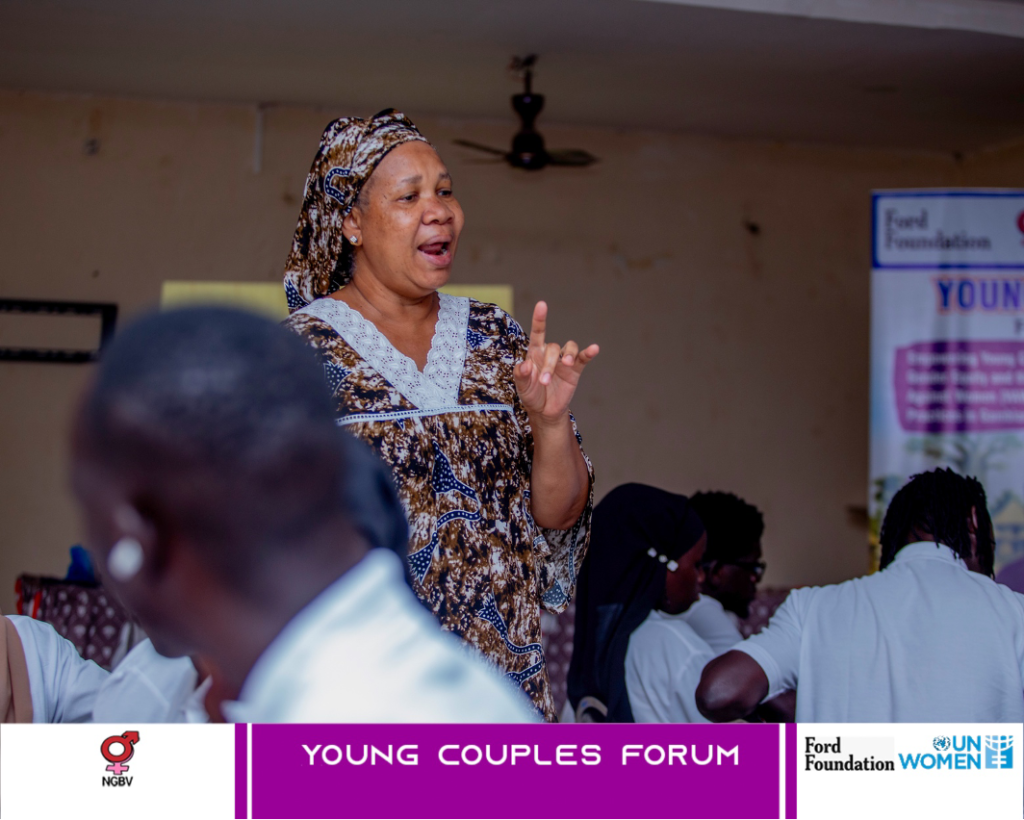
Over the course of the forum, couples engaged in discussions, practical exercises, and reflections aimed at transforming social norms rooted in tradition. Facilitators guided participants through sessions on gender-based violence, reproductive health, legal protections, and religious perspectives, equipping them with knowledge to become agents of change within their families and communities.
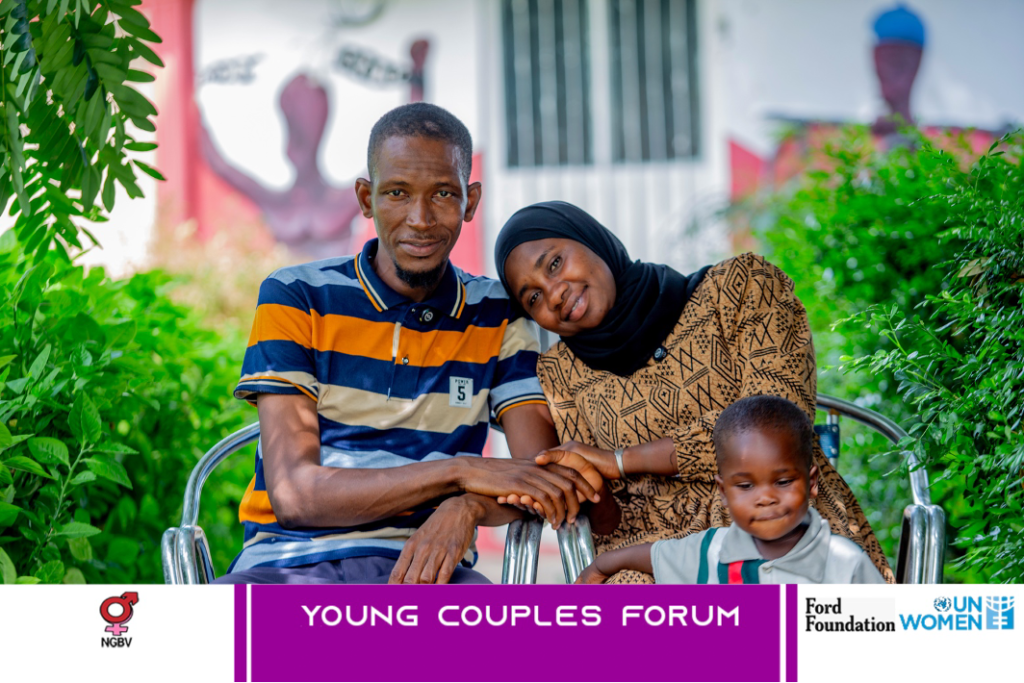
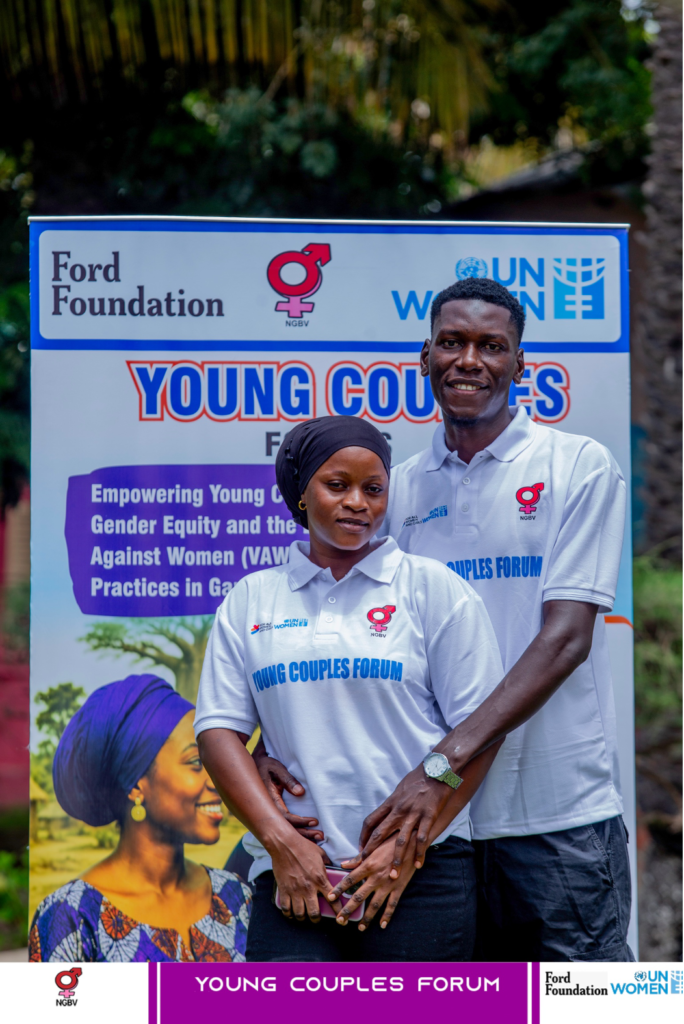
A young woman shared how the forum opened her eyes to the importance of mutual respect. “I realized that many of the practices we thought were traditional are actually harmful. Now I understand that respecting each other and making joint decisions is the key to a healthy family,” she said.
Her partner emphasized shared responsibility: “This forum taught me that men have a vital role in protecting our daughters and wives from harmful practices.”
Participants discussed the social and cultural drivers that sustain harmful practices, including social exclusion, family pressure, misconceptions about religion, and economic dependency. They examined how cultural traditions can be preserved while rejecting practices that threaten health and violate rights.
One participant highlighted the power of community influence: “We learned that community pressure is strong, but if couples stand united and speak out, we can change perceptions and protect our children from FGM and early marriage.”
Another shared insight: “Many families continue FGM because they fear being judged by neighbors. However, community dialogue and understanding can help us abandon practices that harm our girls.”
Participants also explored strategies to resist social pressures, including joint decision-making and community advocacy. It was noted that “when both parents agree on protecting their children, outside pressure becomes easier to manage,” and that “families need support networks because resisting community pressure alone can be difficult.”
A key session focused on legal protections, where participants learned about laws such as the Domestic Violence Act and the Sexual Offences Act. Religious leaders facilitated a dialogue clarifying misconceptions about FGM, emphasizing that true religious teachings promote dignity and justice. An imam stated, “Religion teaches us to promote mercy and justice, not harm.”
Baboucarr Mbye a facilitator highlighted that understanding the legal framework empowered participants to uphold laws protecting women and children. One participant remarked, “Knowing the law gives us confidence to resist social pressure.”
“The law exists to protect individuals from harm, but communities also have a responsibility to prevent violations before they occur.”
Fallu Sowe
The forum concluded with couples making commitments to advocate for change: “My husband and I will speak openly about protecting our children from harmful practices,” said a participant.
“When couples are informed and united, they become powerful agents of change. This forum is a vital step toward ending harmful traditions and building healthier families.”
Participants expressed their motivation to act. “This forum has given us the tools and confidence to stand against harmful practices,” said another participant. “Positive change begins with us as couples.”
Community members and partners recognize that empowering couples is essential to transforming social norms and safeguarding the rights of women and girls across The Gambia. According to the report,
“Many families continue the practice because they fear criticism from relatives and neighbours if they refuse,” and “parents often perform FGM/C because they believe everyone else expects them to do so.”
The success of this forum demonstrates the power of community-led dialogue in challenging harmful traditions. Organizers hope that the ripple effect will lead to broader acceptance of positive cultural values and the abandonment of practices such as FGM and child marriage.
“Yesterday helped me understand that violence is not only physical. Words and actions can also cause serious harm.”